Anti-Aging Skincare Routine: Morning and Night, Step by Step
Published · 9 min read
Quick answer
A strong anti aging skincare routine is short: in the morning, cleanse gently, apply an antioxidant day cream and finish with broad-spectrum SPF 30+ sunscreen. At night, cleanse, apply a tretinoin cream to face, eyes and hands, and moisturize. Daily sunscreen and consistency matter most.
Key takeaways
- Apply products in order: gentle cleanser, treatment, then moisturizer and/or sunscreen.
- Daily broad-spectrum SPF 30+ sunscreen is the cornerstone; in a 4.5-year trial, daily users showed 24% less skin aging.
- Tretinoin at night is a well-studied option for sun-aged skin; ease in, use a thin layer and moisturize.
- The eye area and hands benefit from their own formulas, such as low-strength tretinoin for the eyes.
- Not smoking, good sleep and patience of 3 to 6 months help your routine show its best results.
In this article
- What is the right order for an anti-aging skincare routine?
- What does a good morning routine look like?
- Step 1: Cleanse gently
- Step 2: Apply an antioxidant day cream
- Step 3: Finish with sunscreen, every day
- What should a night routine include?
- Step 1: Cleanse
- Step 2: Tretinoin night cream
- Step 3: Eye cream
- Step 4: Don't forget your hands
- Step 5: Moisturize
- How do you start tretinoin comfortably?
- Which day cream is right for you?
- Which lifestyle habits show up on your skin?
- What results can you expect, and when?
- What are the most common skincare mistakes?
- Rewinding skincare
The best anti aging skincare routine is not the longest one. It is a short, steady set of steps you actually do every day: protect in the morning, renew at night. These anti-aging skincare tips walk through both routines step by step, explain how to ease into tretinoin, and cover the everyday habits that show up on your face. If you have ever wondered how to look younger without a 10-step ritual, this is where to start.
What is the right order for an anti-aging skincare routine?
Go from thinnest to thickest and from treatment to protection: cleanse, apply your treatment, then moisturizer and sunscreen. The American Academy of Dermatology (AAD) recommends this order: a gentle cleanser first, any treatment product right after, then moisturizer and/or sunscreen, with makeup last.
The same AAD guidance notes that piling on too many products can irritate skin. That is the core idea behind the routine below: a few well-chosen products, used consistently.
| Step | Morning | Night |
|---|---|---|
| 1. Cleanse | Gentle cleanser, lukewarm water, pat dry | Gentle cleanser to remove sunscreen, makeup and grime |
| 2. Treat | Antioxidant day cream (Rewind Day Cream) | Tretinoin night cream (Rewind Night Face Cream) |
| 3. Eyes | Optional light moisturizer, tapped on with the ring finger | Low-strength tretinoin eye cream (Rewind Night Eye Cream) |
| 4. Hands | Sunscreen on the backs of hands | Tretinoin hand cream (Rewind Night Hand Cream) |
| 5. Moisturize / protect | Broad-spectrum sunscreen, SPF 30 or higher | Moisturizer if skin feels dry |
What does a good morning routine look like?
Morning is about protection: cleanse gently, apply an antioxidant day cream, and finish with broad-spectrum sunscreen of SPF 30 or higher. That last step does the heaviest lifting of anything in your routine.
Step 1: Cleanse gently
Wash with lukewarm water and a mild cleanser, using your fingertips, then pat dry. The AAD suggests washing your face when you wake up, before bed and after sweating, and points out that scrubbing can irritate skin, while gentle washing still removes pollution and makeup.
Step 2: Apply an antioxidant day cream
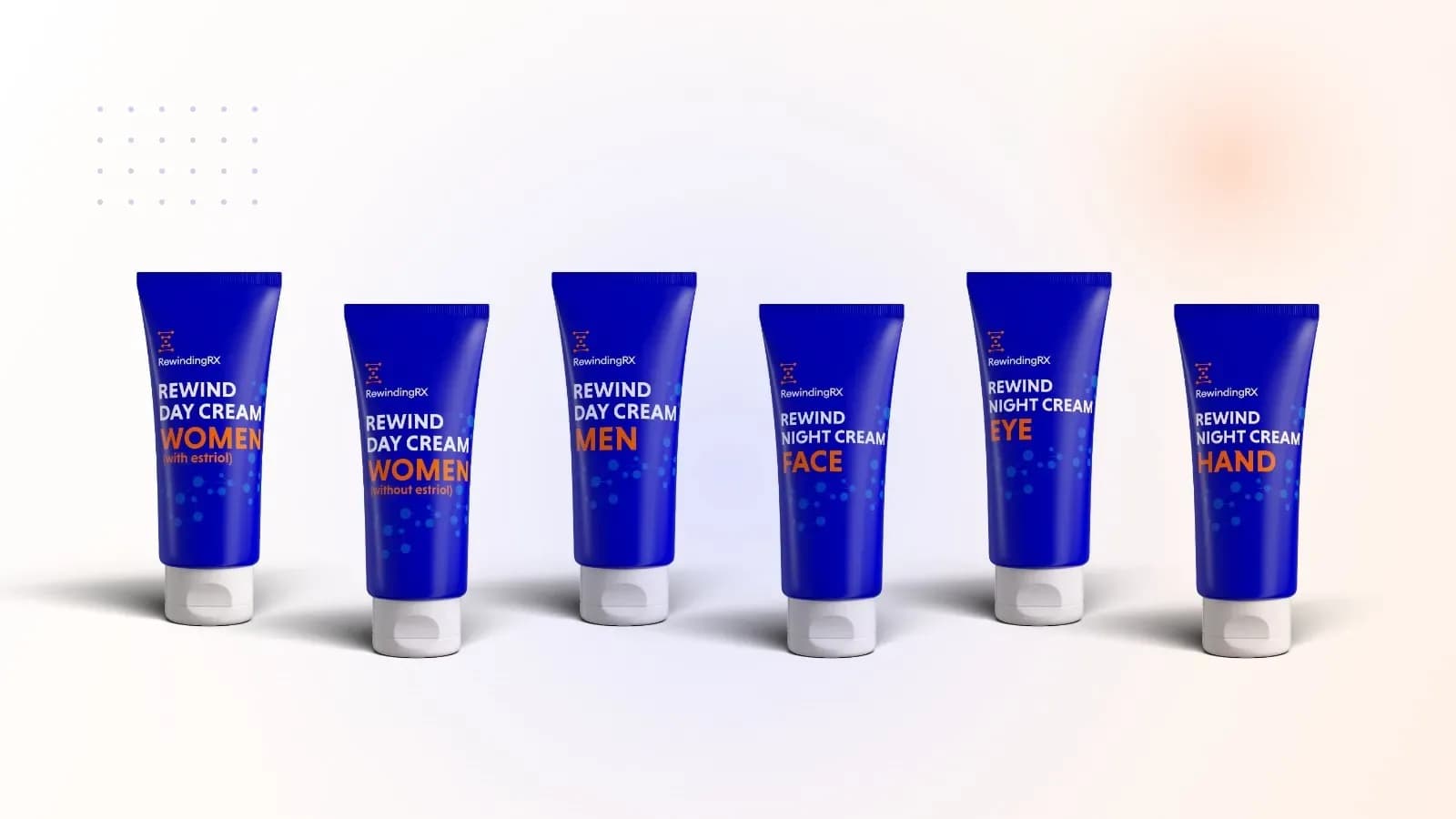
A day cream is your treatment step in the morning. Rewind Day Creams are prescription formulas that pair sirolimus (also called rapamycin) with antioxidants and hydrating support:
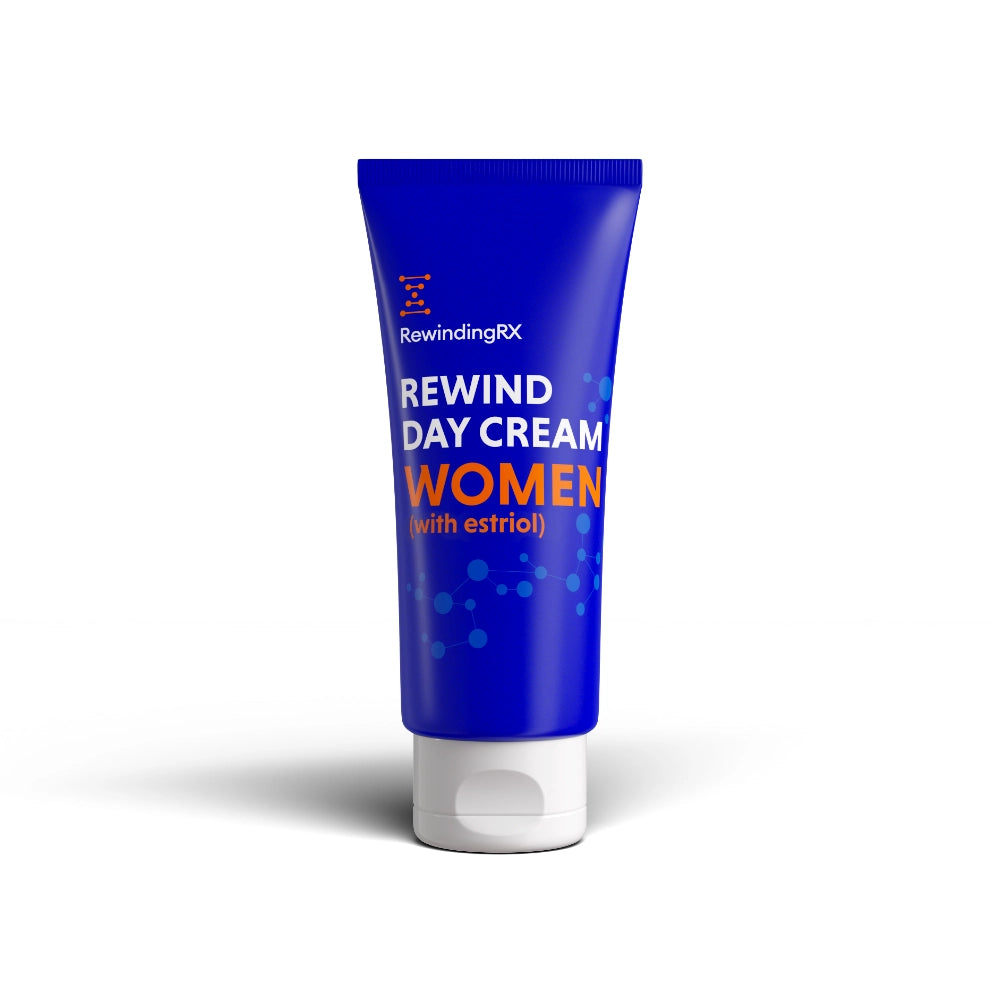
- Rewind Women's Day Cream with Estriol: a 6-in-1 formula with sirolimus, estriol, alpha-lipoic acid, acetyl-D-glucosamine (which supports hyaluronic acid synthesis), and vitamins C and E.
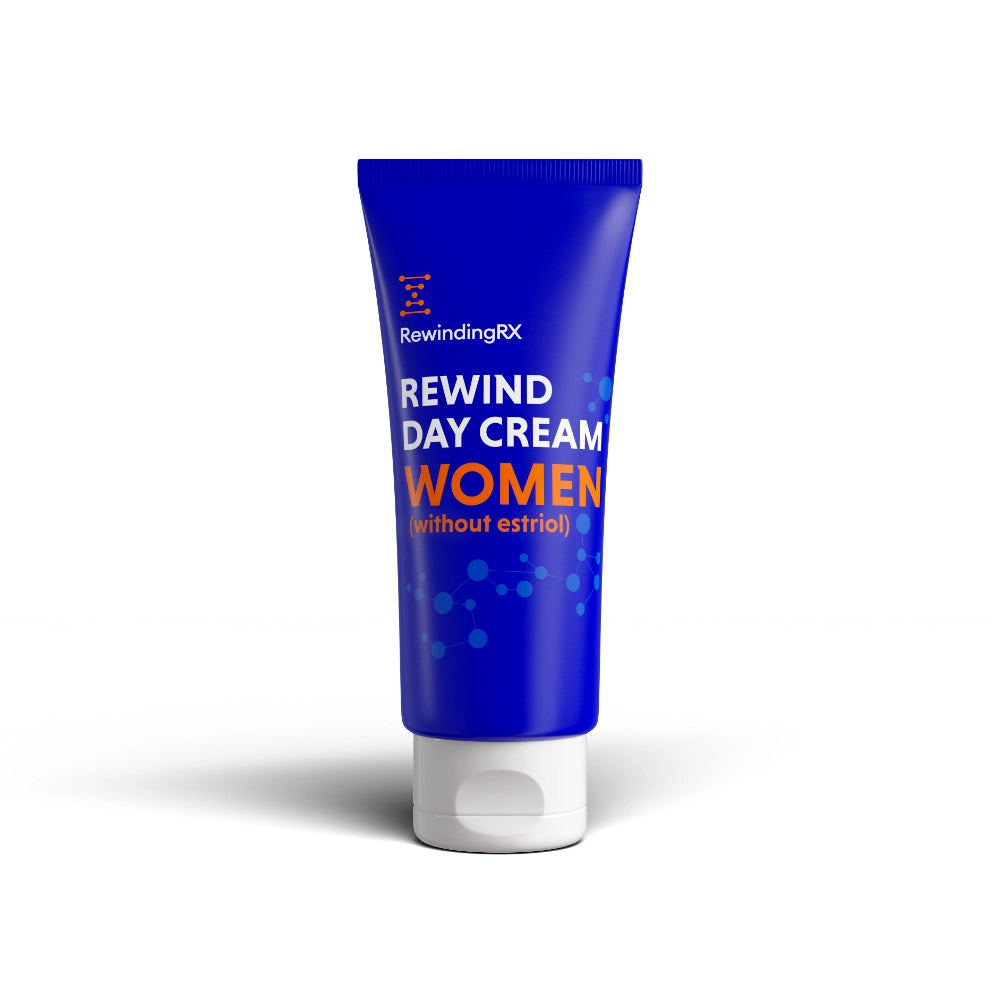
- Rewind Women's Day Cream without Estriol: a 5-in-1 formula with sirolimus, alpha-lipoic acid, vitamins C and E, and acetyl-D-glucosamine.
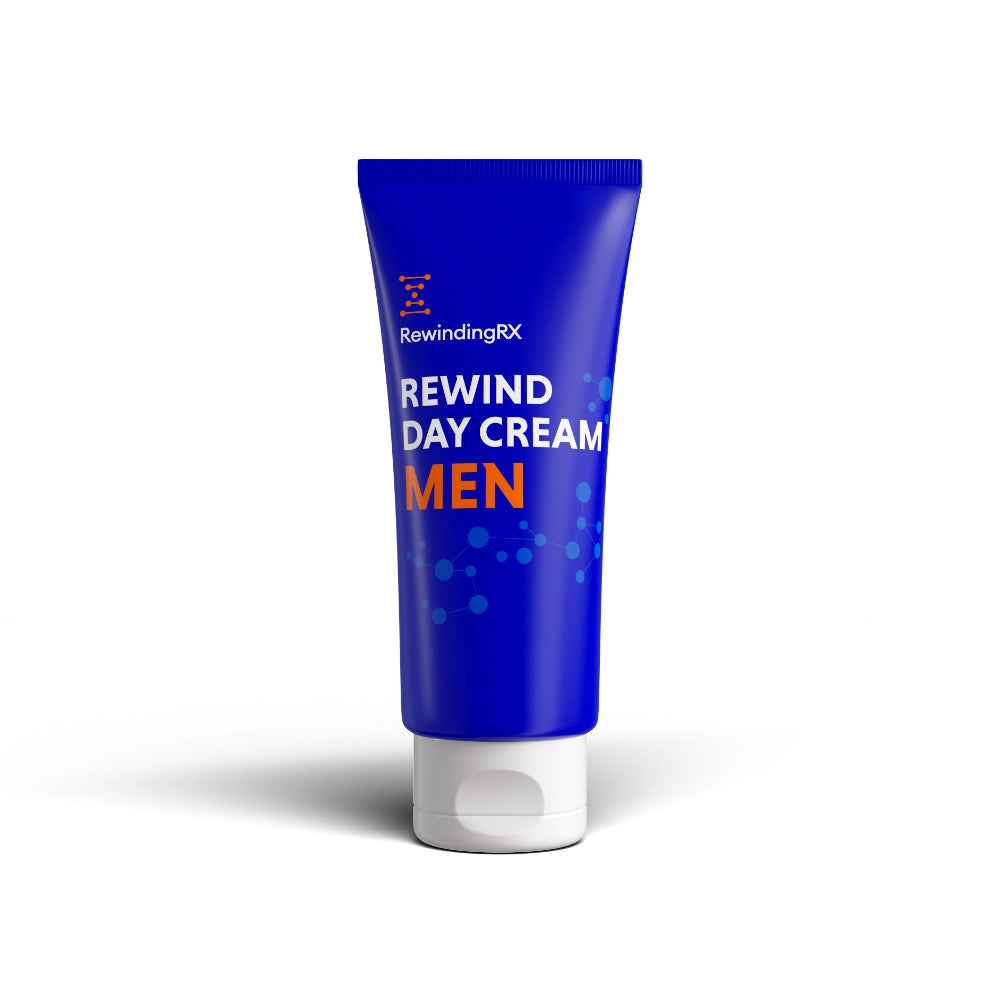
- Rewind Men's Day Cream: a 5-in-1 formula with sirolimus, alpha-lipoic acid, vitamin C, vitamin E and acetyl-D-glucosamine.
Topical rapamycin is an area of emerging research. In a 2019 randomized trial in adults over 40, a rapamycin cream reduced p16, a marker of cell aging, and increased collagen VII, a protein important for the skin's structural support, and researchers noted visible improvement in skin appearance in multiple participants.
Step 3: Finish with sunscreen, every day
The AAD recommends a broad-spectrum, water-resistant sunscreen with SPF 30 or higher on all uncovered skin every day, plus shade and protective clothing. Dermatologists call sunscreen and moisturizer the two most effective anti-aging products you can buy.
The research backs that up. In a 4.5-year randomized trial led by Hughes and colleagues in Australia, adults who used sunscreen daily showed no detectable increase in skin aging, and their skin aged 24% less than in the group that used sunscreen at their own discretion. If you are outdoors, reapply every two hours. Don't forget your neck and the backs of your hands.
What should a night routine include?
Night is for renewal: cleanse off the day, apply a retinoid to the face, treat the eye area and hands, then moisturize as needed. Tretinoin, a well-studied prescription retinoid for sun-aged skin, is made for bedtime use.
Step 1: Cleanse
Before bed, the goal is to remove makeup and grime, along with the day's sunscreen. Use the same gentle cleanser as in the morning and let your skin dry fully before the next step.
Step 2: Tretinoin night cream
Tretinoin is a prescription form of vitamin A that encourages cell renewal and collagen. In a classic double-blind study published in JAMA, tretinoin improved photoaged skin (skin aged by sun exposure) on the face in 14 of 15 people over 16 weeks, while no one using the plain cream base improved.
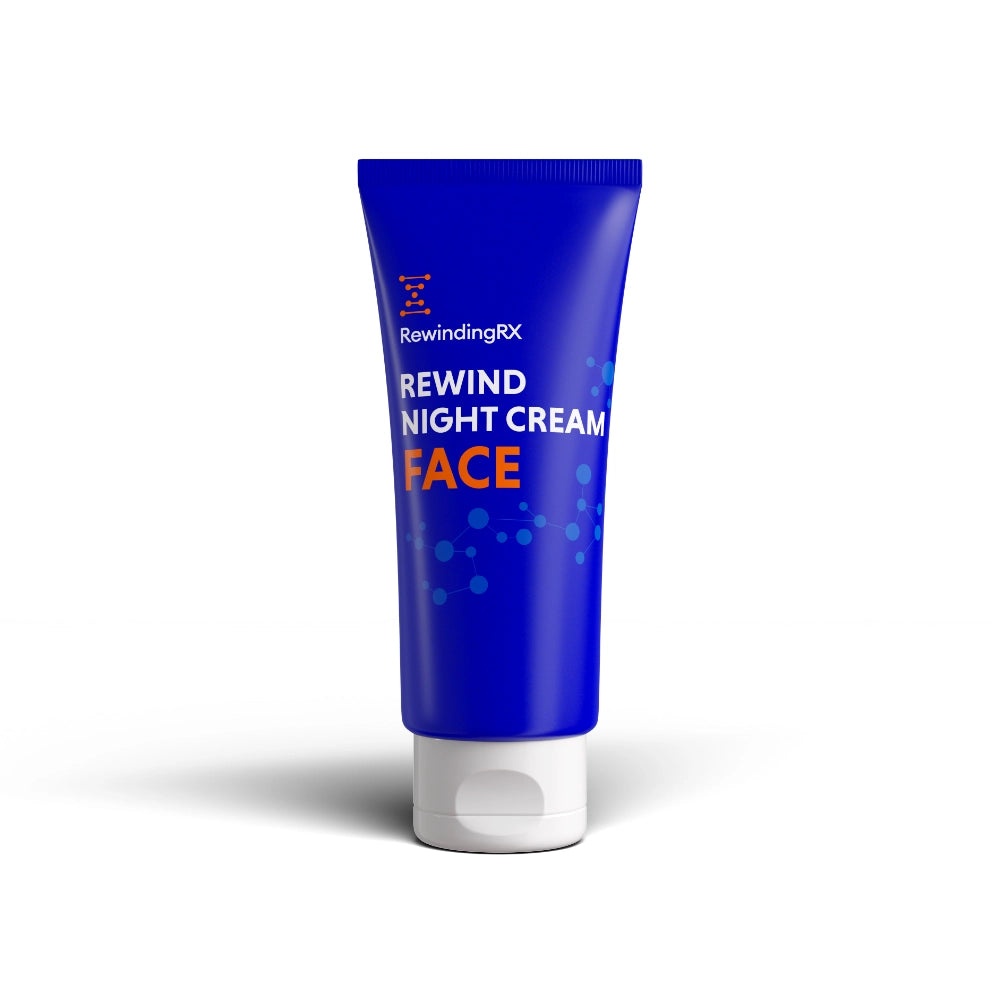
The Rewind Night Face Cream pairs tretinoin with niacinamide, hydrolyzed hyaluronic acid, alpha-lipoic acid and acetyl-D-glucosamine, so renewal and hydration happen in the same step.
Step 3: Eye cream
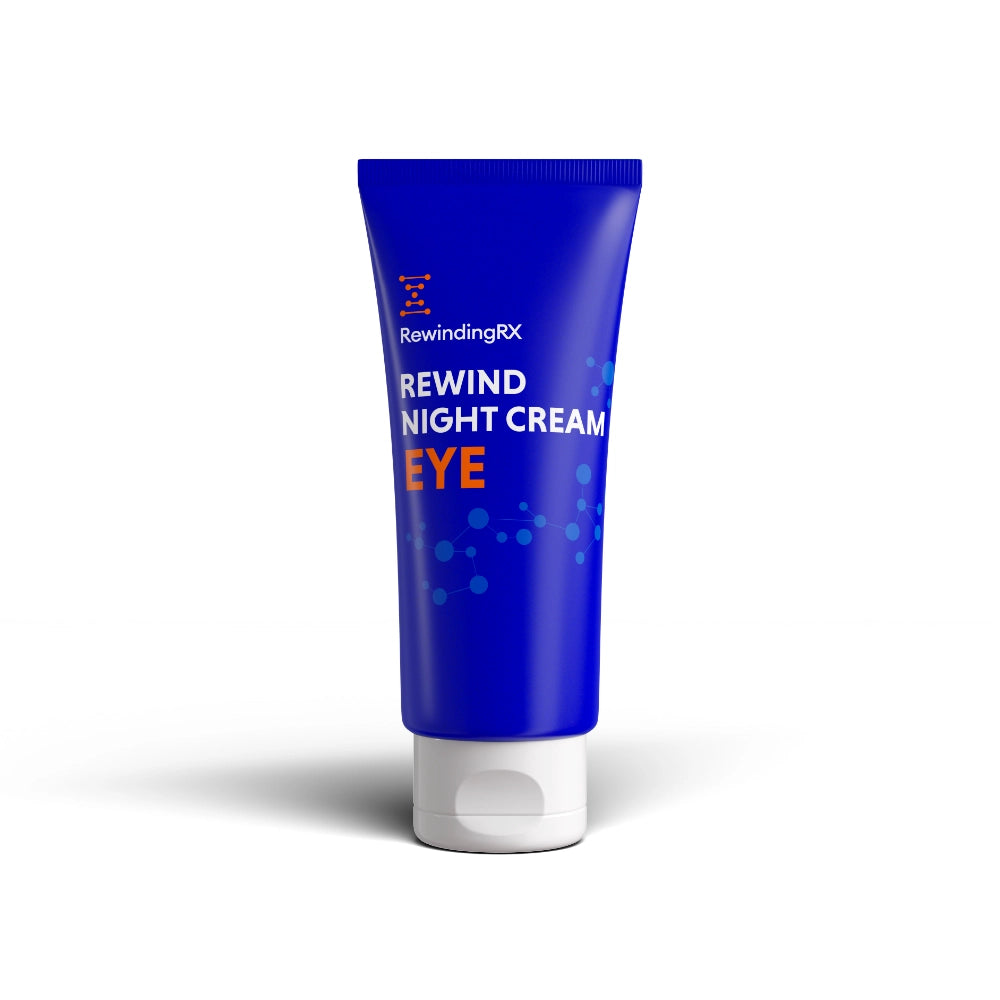
The skin around the eyes is thinner and more delicate, so it needs its own formula. Regular-strength face tretinoin is kept away from the eyes, which is why the Rewind Night Eye Cream uses low-strength tretinoin (0.012%) with 4% niacinamide. Apply with your ring finger, which the AAD suggests to avoid tugging delicate skin.
Step 4: Don't forget your hands
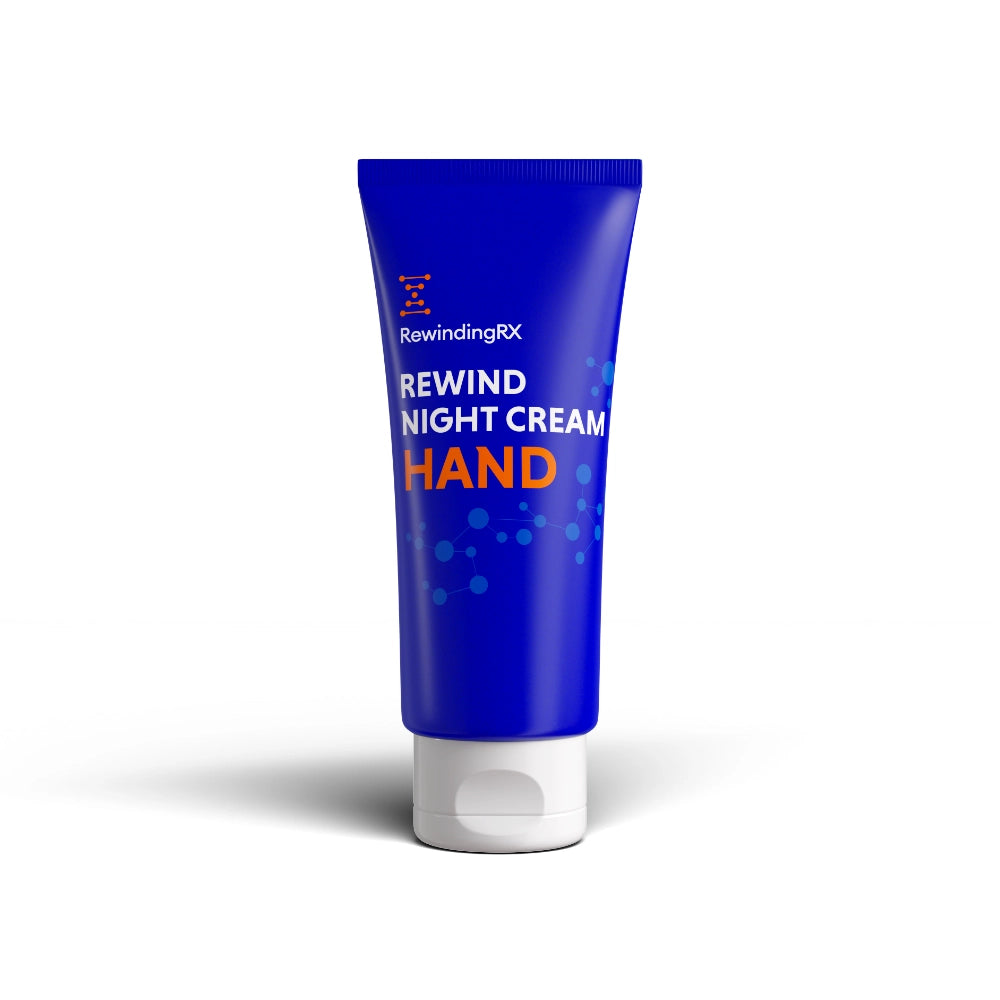
Hands are out in the sun almost every day and often get less care than your face. The Rewind Night Hand Cream brings tretinoin (0.075%) together with niacinamide, hydrolyzed hyaluronic acid, alpha-lipoic acid and acetyl-D-glucosamine. Apply after your last hand wash of the day.
Step 5: Moisturize
If your skin feels tight, finish with a plain moisturizer. The AAD notes that moisturizer traps water in the skin, giving it a more youthful look.
How do you start tretinoin comfortably?
Ease in, use a thin layer, keep skin moisturized, and wear sunscreen daily. Some dryness or flaking in the first weeks is a normal sign your skin is adjusting, a phase often called retinization.
- Follow your physician's schedule. Tretinoin is applied at bedtime. If your physician suggests starting on fewer nights and building up, stick with that plan.
- Less is more. MedlinePlus advises using just enough to cover the area with a thin layer, applied with clean fingertips to clean, dry skin, and keeping it away from the eyes, mouth and creases of the nose.
- Expect some adjustment. Dryness, stinging, peeling or redness can happen at first. If it is strong or doesn't settle, tell your physician; the AAD notes that prescription anti-aging products may sting and that you should let your dermatologist know.
- Protect from the sun. MedlinePlus advises avoiding unnecessary sun and tanning beds while using tretinoin, and wearing sunscreen and protective clothing.
- Add one new product at a time. The AAD recommends introducing one new product at a time so you know what your skin tolerates.
Tretinoin is not used during pregnancy or breastfeeding, so share that with your physician during your consultation.
Which day cream is right for you?
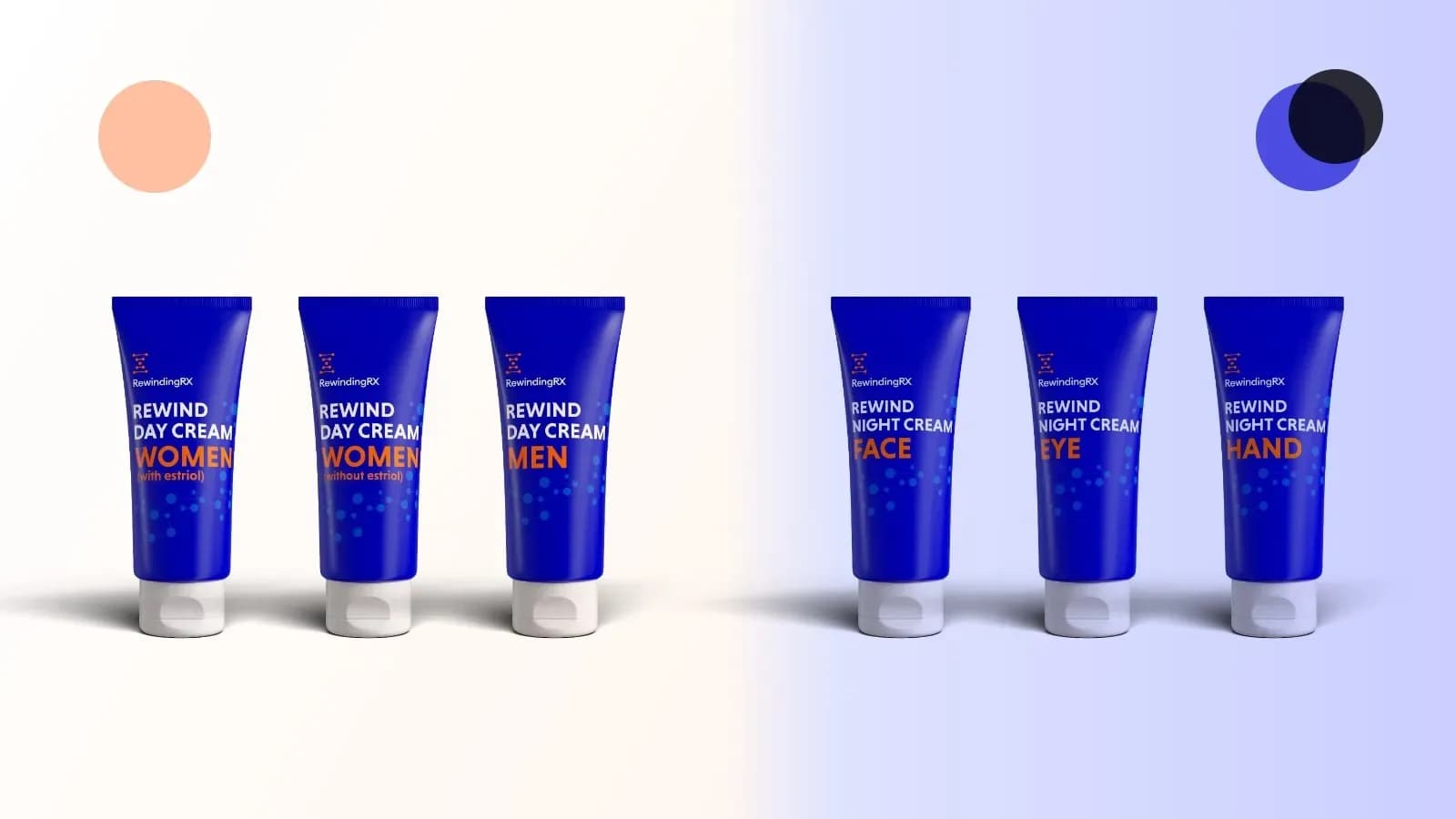
All three Rewind Day Creams share the same core of sirolimus, alpha-lipoic acid, vitamins C and E, and acetyl-D-glucosamine. The difference is estriol, and your physician helps you decide.
With estriol. Estriol is a form of estrogen used topically for skin elasticity, hydration and dermal thickness. In a 6-month study of women with signs of skin aging, a 0.3% estriol cream improved elasticity and firmness, increased skin moisture and reduced wrinkle depth, with more collagen seen in skin samples. Because estriol is a hormone, the physician reviews your health history to confirm it is a good fit.
Without estriol. A hormone-free option with the same five supporting ingredients, for women who prefer to skip estriol or whose physician recommends it.
Men's Day Cream. The same 5-in-1 base, made for men's daily routines.
Which lifestyle habits show up on your skin?
Sun protection and not smoking matter most, and sleep plays a role too. Topical products work best on top of these habits.
- Skip the tan. Sunlight and tanning beds both emit UV rays that speed skin aging; the AAD suggests self-tanner instead.
- Don't smoke. In a study of 79 pairs of identical twins, plastic surgeons grading photos found the smoking twin had more under-eye bags, deeper lines around the mouth, lip wrinkles and jowls. The researchers noted that a difference of five or more years of smoking can cause visibly identifiable changes in facial aging.
- Prioritize sleep. Research presented by Oyetakin-White and colleagues found that poor sleepers showed more signs of intrinsic skin aging and slower recovery of the skin barrier and from sun-induced redness than good sleepers.
- Eat well, drink less, move more. The AAD notes that some studies link fruits and vegetables to less aging-related damage, that alcohol dehydrates skin, and that moderate exercise may give skin a more youthful look.
What results can you expect, and when?
Results build gradually. Sunscreen and moisturizer need a few weeks to work, according to the AAD, and tretinoin takes longer. MedlinePlus notes that softer-looking fine lines may take 3 to 4 months, and up to 6 months, and that results can fade if you stop. Consistency is the real anti aging treatment here.
What are the most common skincare mistakes?
The biggest ones are using too many actives at once, skipping sunscreen and scrubbing too hard. Each can undo the progress your routine is making.
- Too many actives. Layering several anti-aging products can irritate skin, which the AAD says can make you look older. Focus on one main concern at a time.
- Skipping sunscreen. Cloudy days and short errands count. Daily use is what made the difference in the Hughes trial.
- Scrubbing. Harsh scrubs and rough washcloths irritate skin. Gentle fingertips are enough.
- Pushing through burning. Stinging or burning signals irritation. Tell your physician so they can adjust your plan.
- Giving up too soon. Tretinoin results take months, not days.
Want to know more about what each ingredient does? Our guide to skin rejuvenation ingredients covers tretinoin, sirolimus, niacinamide, estriol and more in depth.
Rewinding skincare
Rewinding's prescription creams follow a simple path: complete an online consultation, a licensed U.S. physician reviews it (typically within 24 to 48 hours), a licensed U.S. 503A pharmacy prepares your cream, and it ships free by express delivery. You can pause or cancel anytime. The formulas are developed by Dr. Kheterpal.
- Morning: Women's Day Cream with Estriol, Women's Day Cream without Estriol or Men's Day Cream
- Night: Night Face Cream, Night Eye Cream and Night Hand Cream
Learn how this article was researched in our editorial policy, and see how Rewinding works with physicians and pharmacies on our trust page.
Frequently asked questions
Should sunscreen go on before or after moisturizer?
Sunscreen is the last skincare step in the morning, applied after your treatment and moisturizer and before makeup. The AAD groups moisturizer and sunscreen as the final step.
Can I use tretinoin in the morning?
Tretinoin is applied at bedtime, and MedlinePlus advises extra sun protection while using it. Daytime is for your day cream and SPF 30+ sunscreen.
Is peeling from tretinoin normal?
Mild dryness, flaking or redness is common while skin adjusts. If it is strong or doesn't settle, your physician can adjust how often you apply it.
Do I need a separate eye cream?
Yes, if you use tretinoin. Regular-strength tretinoin should stay away from the eyes, so a low-strength formula made for the eye area is the gentler choice.
How long until I see results from an anti-aging routine?
Sunscreen and moisturizer need a few weeks, while softer-looking fine lines from tretinoin usually take 3 to 6 months of steady use.
Sources
- American Academy of Dermatology (n.d.). 11 ways to reduce premature skin aging. AAD.org.
- American Academy of Dermatology (n.d.). How to select anti-aging skin care products. AAD.org.
- American Academy of Dermatology (n.d.). Should I apply my skin care products in a certain order? AAD.org.
- American Academy of Dermatology (n.d.). Skin care tips dermatologists use. AAD.org.
- American Academy of Dermatology (n.d.). A dermatologist's guide to skincare from growing up to glowing up. AAD.org.
- Hughes et al. (2013). Sunscreen and prevention of skin aging: a randomized trial. Annals of Internal Medicine.
- MedlinePlus (n.d.). Tretinoin Topical. U.S. National Library of Medicine.
- Weiss et al. (1988). Topical tretinoin improves photoaged skin: a double-blind vehicle-controlled study. JAMA.
- Chung et al. (2019). Topical rapamycin reduces markers of senescence and aging in human skin: an exploratory, prospective, randomized trial. GeroScience.
- Schmidt et al. (1996). Treatment of skin aging with topical estrogens. International Journal of Dermatology.
- Guyuron et al. (2013). Facial changes caused by smoking: a comparison between smoking and nonsmoking identical twins. Plastic and Reconstructive Surgery (via ScienceDaily).
- Oyetakin-White et al. (2013). Sleep quality impacts skin function, aging in women. International Investigative Dermatology meeting (via Medical Xpress).
This article is for general information only and isn't medical advice. Talk to a licensed healthcare provider before starting, stopping or changing any treatment. Compounded medications are prepared by licensed pharmacies and are not FDA-approved. How we write and check our articles.
Talk to a licensed provider
Answer a few questions online and a provider will review whether a treatment is right for you.
Explore treatments